






.jpg.jpeg)

The Rise of Green Buildings in India
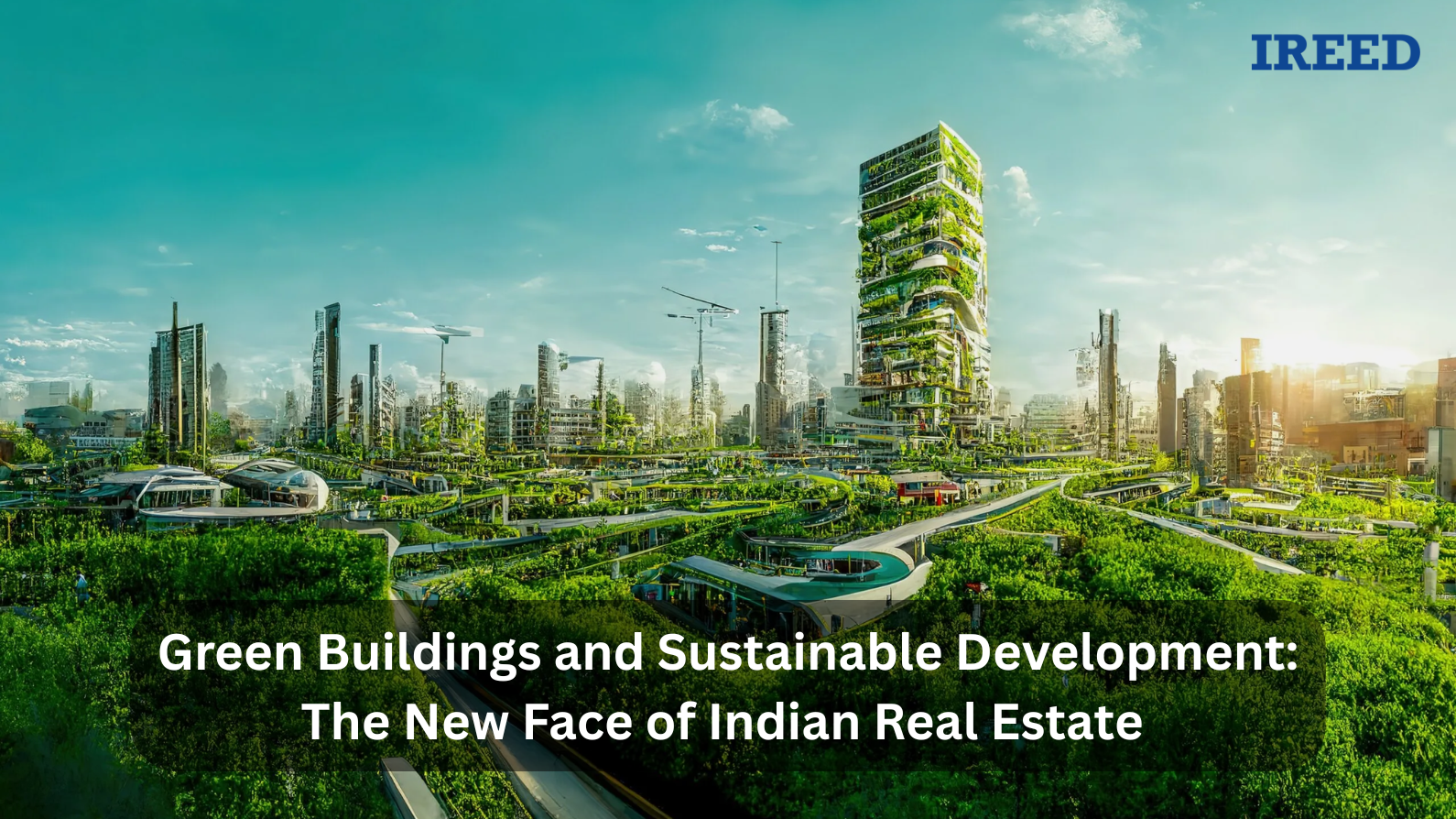
India now holds a place amongst the global leaders in green certified real estate, with over 11,000 certified projects covering more than 10 billion square feet as of 2024.The country is second worldwide in Leadership in Energy and Environmental Design (LEED) certified buildings according to the Indian Green Building Council (IGBC). Both residential and commercial sectors are visible with 66% of Grade A office spaces present in top Indian cities with green certification; the figure presented is expected to rise further in the upcoming years. The market of sustainable projects is growing and is estimated to contribute USD 39 billion (Rs 3.2 lakh crore) by 2025, indicating the sector's strong potential and its primary role in India’s environmental and economic progress.
Drivers of the Green Real Estate Movement
1. Government Incentives and Policy
Initiatives like the Smart Cities Mission, Green Rating for Integrated Habitat Assessment (GRIHA) and LEED certifications have increased the embracement of sustainable practices. The Securities and Exchange Board of India (SEBI) now mandates encouraging transparency, green reporting and accountability in environmental, social and governance (ESG) practices. Some of the Indian States like Maharashtra, Gujarat and Uttar Pradesh are leading in the field for green projects that are supported by tax deduction, regulatory incentives and rapid approvals.
2. Advancements in Technology
From the design to construction of properties have been transformed completely by innovations like the Internet of Things (IoT), Building Information Modeling (BIM), smart building systems and 3D printing. Green building is becoming both feasible and affordable due to the growing use of sustainable materials like bamboo and recycled steel, as well as renewable energy sources like solar power, which has decreased in price by 90% in the last ten years.
3. Investment Appeal and Market Demand
In comparison to non certified counterparts, green certified office buildings in India maintain higher occupancy rates and demand rental premiums of 24% . According to studies, green buildings can save developers and occupants a substantial amount of money over the long run by reducing energy and water use by 60%.Green buildings are becoming more and more popular with tenants and investors due to their lower operating costs, energy efficiency and compliance with regulations.
Economic and Social Benefits
There are benefits in higher property values with Green certified properties typically fetching a market premium of 12–14% over conventional buildings, among other economic and social advantages. Utility bills decrease as a result of lower operational costs, that are demonstrated by less energy and water use with natural lighting, non toxic materials, better indoor air quality and healthier living working together in enhancement of spaces for all occupants wellbeing. Due to their long-term value and adherence to international ESG standards, green buildings are attracting both domestic and foreign investors.
The Road Ahead
As urbanization is seen to be growing, sustainable development is not just a trend but a necessity for India’s real estate sector. The conjunction of technological innovation, supportive government policies and a growing base of environmentally conscious consumers is positioning India as a leader in green urban development. The sector’s initiative towards consistent evolution and commitment to sustainability is reshaping skylines and setting new standards for responsible growth which is ensuring that economic advancement goes hand-in-hand with environmental oversight. With the help of technological advancement we can see the future of the residential as well as commercial real estate to be skyrocketing, as projects like Alembic City(Bangalore & Vadodara), Brigade Citrine(non - residential projects focusing on sustainability through technological advancements), the use of Rain water harvesting will be introduced in the upcoming projects, the use of renewable energy sources will be used that will help in the reduction of energy consumption as well as emission of carbon and many more new initiatives or projects will be introduced in the market.
Conclusion
As the effects of global warming can be seen throughout the world which is an alarming situation for everyone, one of the ways that can help in protecting our environment is through our real estate sector. The constructing platform is never out of sight henceforth involving sustainable materials that are recyclable can also help in sustaining our environment, the architectural advancement in green buildings and Energy Efficient buildings have become the defining features of Indian real estate. This shift is creating a future where environmental responsibility, urban growth and economic prosperity strengthen each other, that is renovating Indian cities into greener, adaptable and much healthier environments for generations to come and create.