






.jpg.jpeg)

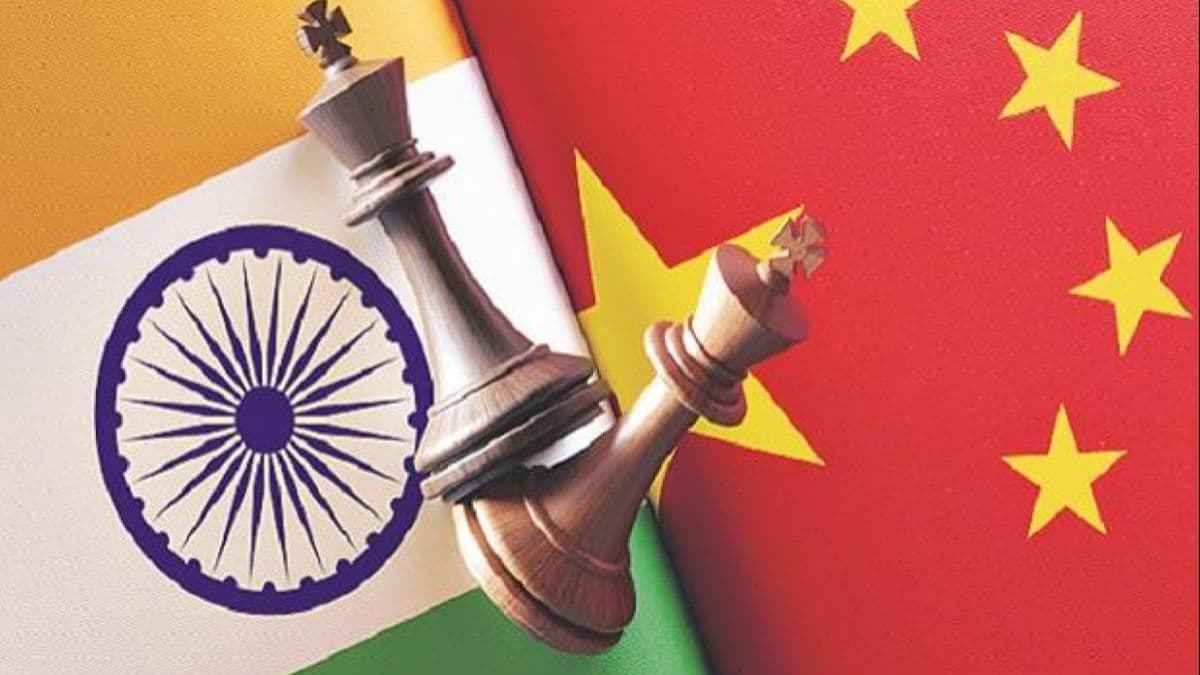
India, a formidable force in the global arena, can conceivably be referred to as the "Dragon Slayer" in its endeavor to surpass China. With an enormous populace, rapidly-paced economy, and stable democratic structure, India has dared wear what some may call the mantle of the next big world power.
With an aging population and centralized economic control. China is tussling, where India has set on stage for an economic renaissance by its youthful and dynamic workforce, coupled with its open market dynamic.This shift in transformation is not just in economic power but a testimony to India’s potential lead in the 21st century.
In this blog we will discover the journey of how India was once portrayed as a weak society and mocked by China’s media to how it is now perceived as one of the most powerful competitors.
Using this in a way to cause harm to India sometimes, China has invested so vigorously into infrastructure back home as well and developed some pretty things.They identify issues and limitations in emerging India's construction projects, and point out "See! we have so much better infrastructure than them!" This is the equivalent to showing off and flaunting like a student with his flashy new bike and making fun of another kid for riding an old one.
That trolling typically takes place during a period when the two countries find themselves in much less friendly settings, say, trade wars. That is how China usually tries to settle things and look better than India globally. Naturally, India never takes the comments and suddenly attempts to criticize in return. This can pile on, escalating the tension between neighbors. Thus, it's not just about roads and buildings but a small section in a bigger connected history of two major Asian countries.
Training and Education: Industry oriented education and skill development results in skilled workforce for the industry. The government is creating an environment to ensure a steady supply of skilled workforce, which can meet global standards. Investment in technology through innovation, interwoven R&D is steadily creating an ecosystem based on innovations which is likely to transform economic growth.
While India-China trade is a small fraction of their overall economic engagement, it accounts for an important part of bilateral business dealings between the two growing economies. Trade between these two big players has exploded over the years in almost all areas of goods and services. India-China bilateral tradeThe economic and commercial relationship between India and China has rapidly expanded over the last two decades, making it one of China's largest trading partners in Asia. Although we see healthy trade relations between the two nations, there are disparities (like trade imbalances) and politics which plays an important role at times in determining how these dynamics turn out to take shape. No surprise that both countries are in a constant process to resolve those matters and at the same time looking for ways to improve economic cooperation, creating conditions for trade relationships to become more balanced and beneficially mutualistic.
With an aging population and centralized economic control. China is tussling, where India has set on stage for an economic renaissance by its youthful and dynamic workforce, coupled with its open market dynamic.This shift in transformation is not just in economic power but a testimony to India’s potential lead in the 21st century.
In this blog we will discover the journey of how India was once portrayed as a weak society and mocked by China’s media to how it is now perceived as one of the most powerful competitors.
China Pokes Fun at India’s Infrastructure
For some time now, China and India have been getting on each other's nerves in various ways, which also manifests through the way they speak of one another. One of the classic examples is how China has made a joke out of Indias infrastructural development. Those are things you drive on and under, like the roads, bridges and buildings that help a country to move steadily.Using this in a way to cause harm to India sometimes, China has invested so vigorously into infrastructure back home as well and developed some pretty things.They identify issues and limitations in emerging India's construction projects, and point out "See! we have so much better infrastructure than them!" This is the equivalent to showing off and flaunting like a student with his flashy new bike and making fun of another kid for riding an old one.
That trolling typically takes place during a period when the two countries find themselves in much less friendly settings, say, trade wars. That is how China usually tries to settle things and look better than India globally. Naturally, India never takes the comments and suddenly attempts to criticize in return. This can pile on, escalating the tension between neighbors. Thus, it's not just about roads and buildings but a small section in a bigger connected history of two major Asian countries.
India Will Be The Global Driver, Overtaking China
So much so, and India is assured to become the growth engine of global economic activity that may be overtaking even China. In simple terms, this is what & why it happened:Demographic:
India has a youthful demography compared with China, meaning more people entering the workforce. This gives us a consistent source of labor and economic movement.The growth of the middle class in itself is a motivation to an economy, as it creates consumer spending.Economic Reforms:
The government is focused on bringing reforms to make it more business friendly administration, foreign investment and entrepreneurship. various initiatives like Digital India are bringing technology into daily lives and improving efficiency to avail the services as well as in creation of new business opportunities.Technology and Innovation:
India has a global identity in IT software and is a substantial exporter, which eventually stimulates the economy.The startup ecosystem fosters creativity, jobs and economic prosperity.Infrastructure Development:
IHuge investment in highway and port construction is taking place which triggers the business, trade and consumption. Smart city development is an attempt to enhance urban living and the optimisation of economic processes.Manufacturing and Exports:
Make in India” is no longer a mere slogan, the government appears to be determined to help manufacturers to produce items made within its domestic boundary and earn money by creating job opportunities for people living here.Training and Education: Industry oriented education and skill development results in skilled workforce for the industry. The government is creating an environment to ensure a steady supply of skilled workforce, which can meet global standards. Investment in technology through innovation, interwoven R&D is steadily creating an ecosystem based on innovations which is likely to transform economic growth.
Challenges in China:
The aging population of China leads to a shrinking workforce and creates an economic burden. Furthermore, structural deficiencies and trade tension are the reasons behind China's slowing economic growth.Unlike China, India protects The Environment
China has been in this place before, and so is working on making its economy bigger but less damaging to the environment as well whereas India is still at that point where it too must push harder environmentally than economically.Renewable Energy:
India is rapidly investing in solar and wind power thereby significantly reducing its dependence on coal based thermal electricity.There are gigantic solar farms and wind turbines being constructed to provide clean energy.Sustainable Practices:
The green technologies are used in india for no pollution. Electrification of transportation and more sustainable public transit options are on the way.Government Policies:
This segment covers stricter environmental laws and regulations that are in place to manage industrial pollution. Putting Conservation efforts into preventing deforestation, saving forests and wildlife etc.Community Involvement:
The more ecologically aware the public is, greater will be eco-friendly behavior in the community. (Muddy water) Actions are being taken to improve waste management and recycling in order not to pollute.International Cooperation:
India is party to global agreements of fighting climate change and there rests on us a commitment for contribution in reducing carbon emissions. Foreign investment in green technologies are supporting India to grow sustainably.Urban Planning:
Smart Cities Smart cities are the ideal to develop sustainable lifestyles which efficiently uses resources. Enhanced public transport reduces traffic congestion and the number of cars on road, decreasing emissions.Bilateral Trade Between The Nations And China’s Misbehaviour.
The study titled 'Sino-India Bilateral Trade: Convergences, Conflicts and Prospects' blames the "misbehaving" behavior of China for some shortcomings in indices that launched alarm bells.While India-China trade is a small fraction of their overall economic engagement, it accounts for an important part of bilateral business dealings between the two growing economies. Trade between these two big players has exploded over the years in almost all areas of goods and services. India-China bilateral tradeThe economic and commercial relationship between India and China has rapidly expanded over the last two decades, making it one of China's largest trading partners in Asia. Although we see healthy trade relations between the two nations, there are disparities (like trade imbalances) and politics which plays an important role at times in determining how these dynamics turn out to take shape. No surprise that both countries are in a constant process to resolve those matters and at the same time looking for ways to improve economic cooperation, creating conditions for trade relationships to become more balanced and beneficially mutualistic.